The genetics of the future
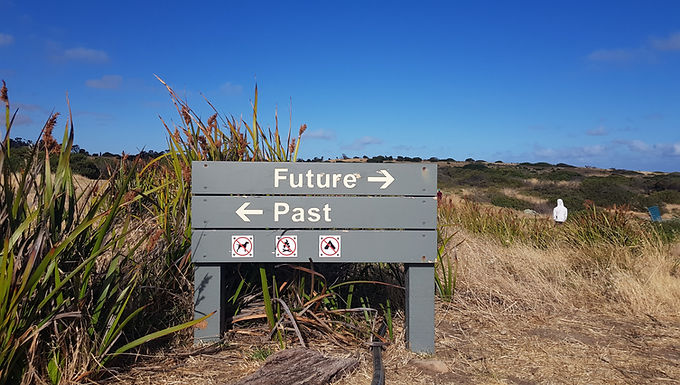
The genetics of the future
There are many types of mutations
But how does studying them all
Even those in model organisms
Even those deemed relevant ‘only for evolutionary questions’
Benefit humanity as a whole
There are several arguments to be made
But today I propose this one
Humans are often thought to have ‘escaped evolution’
This is because we make tools to overcome harsh environments
This is because we turn transform ecosystems to towns and cities
This is because we craft treatments that cure disease and increase lifespan
This is because we ‘don’t obey the laws of nature’.
While these are true, we have NOT escaped evolution
We have simply contributed more towards our evolution
By creating such ‘comfortable’ environments
We are changing the types of genetic mutations
That survive into the future of our species
Rendering our knowledge of current human genetics
That of genetics of our species 100 generations ago
Rather than the genetics of our species 100 years into the future
In addition, there are new types of mutations becoming important for humanity
Not just single gene mutations that affect the mean of a trait
But multi-gene mutations that affect the stability of a trait
Mutations that are impossible to study without large population sequencing
Significantly easier and more feasible in model organisms
Than in humans themselves
Therefore, in order to make a predictive genetics rather than historical genetics
And a precision genetics rather than ‘it works for many’ genetics
We need to look beyond the mutations of the past
And observe how the mutations of now
Critically,
Not all these mutations of now,
Can be found in human studies